When Your Historic New London Home Starts Making Sounds It Shouldn’t
You’re settling in for the evening in your Victorian charmer near Ocean Beach when you hear it—a low, persistent buzzing coming from somewhere behind your walls. At first, you think it’s just another quirk of owning a century-old New London home. But that electrical buzzing noise gets louder when you flip on the kitchen lights, and now you’re wondering if your house is trying to tell you something. Spoiler alert: it absolutely is.
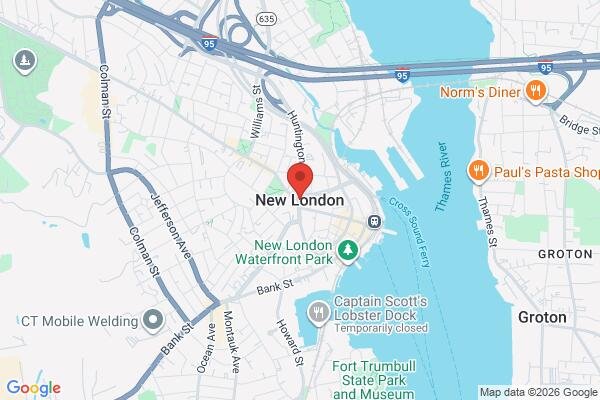
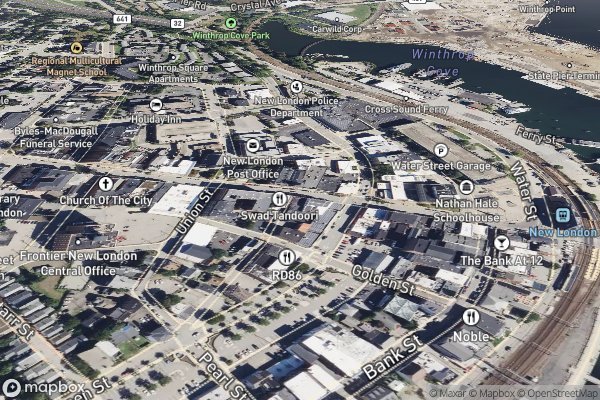
New London’s housing stock presents unique challenges when it comes to electrical troubleshooting and repair. Many homes in the 06320 area were built between 1880 and 1920, long before modern electrical demands existed. Your great-grandparents didn’t need circuits for window AC units during humid Connecticut summers, smart home devices, or the arsenal of chargers we plug in daily. That mismatch between old infrastructure and modern needs creates specific problems that today’s homeowners face regularly.
What That Buzzing Actually Means (And Four Other Warning Signs You Shouldn’t Ignore)
Electrical issues rarely announce themselves politely. Instead, they communicate through symptoms that range from mildly annoying to genuinely dangerous. Here’s what your home might be telling you:
- Electrical buzzing noise: Usually indicates loose wiring connections, an overloaded circuit, or a failing electrical component. In older New London homes with knob-and-tube wiring still lurking in attics, this can signal seriously deteriorated insulation.
- Circuit breaker keeps tripping: Your breaker is actually doing its job by shutting off power when it detects an overload or short circuit. If it’s happening repeatedly on the same circuit, you’re either drawing too much power or there’s a wiring fault.
- Flickering lights throughout house: When multiple rooms are affected, this points to a problem with your main electrical panel or utility connection—not just a loose bulb. Connecticut’s coastal storms can corrode connections over time, especially in homes near the shoreline.
- Outlets not working in one room: This often means a GFCI outlet somewhere in the circuit has tripped, or there’s a break in the wiring. Many New London homes have additions built in the 1950s-70s with different wiring standards than the original structure.
- Burning smell from outlet: Drop everything and turn off power to that outlet immediately. This indicates active arcing or overheating—exactly the scenario that precedes electrical fires.
DIY Assessment: What You Can (And Should) Check Yourself
Before calling for professional electrical troubleshooting and repair, there are safe diagnostic steps you can take. First, identify which specific circuits are problematic by mapping your breaker panel. Turn off breakers one at a time and note which outlets and lights each one controls—this takes about 30 minutes but saves diagnostic time later. Second, check for obvious overloads. If your circuit breaker keeps tripping on a 15-amp circuit in a bedroom where you’re running a space heater, laptop, phone charger, and lamp simultaneously, that’s your answer. The typical bedroom circuit can handle about 1,800 watts maximum, and a space heater alone draws 1,500 watts.
Here’s what crosses the line into professional territory: never open your main electrical panel yourself, don’t attempt to diagnose flickering lights throughout house if the problem affects multiple circuits, and absolutely don’t investigate that burning smell from outlet beyond killing power to it. The electrical code in New London follows Connecticut state standards, which require licensed electricians for anything beyond changing outlets or switches. Given that many homes here have grandfathered wiring that doesn’t meet current code, DIY repairs can create insurance and liability nightmares.
Three Common Mistakes That Make Problems Worse
New London homeowners often create bigger headaches by attempting shortcuts. The first mistake? Using extension cords as permanent solutions for outlets not working in one room. Extension cords are temporary by design and can overheat when used long-term, especially when daisy-chained. Second, many people reset a tripped breaker repeatedly without investigating why it tripped. Each time you reset it, you’re potentially allowing dangerous conditions to continue. Third, ignoring problems during Connecticut’s mild spring and fall seasons, then dealing with failures during summer AC usage or winter space heater demands. Electrical troubleshooting and repair typically takes 2-4 hours for standard issues, but emergency calls during a January cold snap can cost 50-100% more.
What Professional Electrical Troubleshooting Actually Costs in New London
Transparency matters when you’re budgeting for home repairs. In the New London area, expect to pay $125-175 for a diagnostic visit where an electrician identifies the problem. Basic repairs like replacing a faulty outlet or switch run $150-250 including labor. If your issue requires opening walls to access wiring—common in older homes with plaster and lathe construction—add $300-600 depending on extent. Circuit breaker replacement ranges from $200-400 for standard breakers, while upgrading an entire 100-amp panel to 200-amp service (often necessary for homes adding modern amenities) costs $2,000-3,500 in the 06320 area.
Finding Qualified Help in New London’s Competitive Market
When interviewing electricians for your electrical troubleshooting and repair needs in New London, CT, ask about their experience with your home’s age and construction type. Request their Connecticut electrical license number (verify it’s active through the state database), and confirm they carry both liability insurance and workers’ compensation. The best local professionals understand that your 1905 colonial requires different expertise than a 1990s ranch, and they’ll explain exactly what they find in language that makes sense.