When Your Kitchen Lights Dim Every Time the AC Kicks On
You’re pulling dinner together on a sweltering July evening in Fallon when it happens again—the kitchen lights flicker, then dim noticeably as your air conditioner cycles on. Maybe you’ve also noticed that the circuit breaker keeps tripping when you run the microwave and toaster simultaneously, or perhaps there’s a faint electrical buzzing noise coming from somewhere behind your living room wall. These aren’t just annoying quirks of an older home. They’re warning signs that your electrical system needs attention, and in Fallon’s extreme temperature swings—where we routinely see 100°F+ summers and below-freezing winters—electrical troubleshooting and repair becomes critical for both safety and comfort.
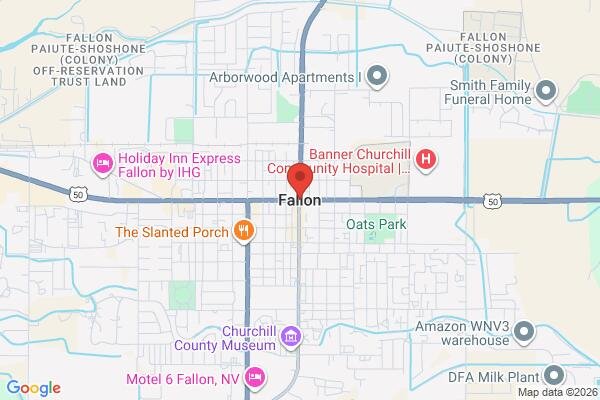
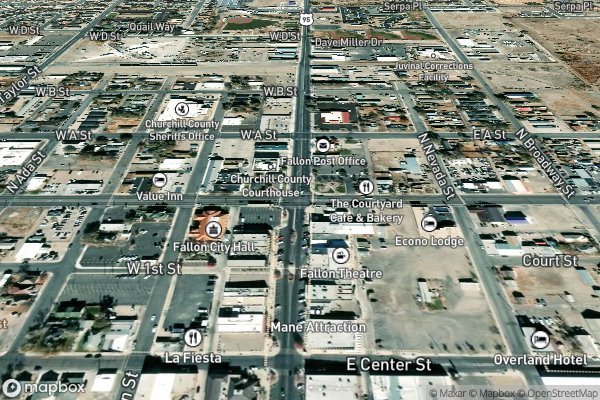
Many homes in the 89496 area, particularly those built in the 1970s and 80s around the original Fallon township, weren’t designed for today’s electrical demands. We’re running multiple computers, charging stations, large-screen TVs, and power-hungry HVAC systems on electrical panels that were sized for a completely different era. When you add Fallon’s dramatic temperature fluctuations—which cause wiring connections to expand and contract repeatedly—you’ve got a recipe for electrical problems that go beyond simple inconvenience.
Five Warning Signs That Require Immediate Professional Electrical Troubleshooting
Not every electrical quirk demands an emergency call, but some symptoms indicate potentially dangerous conditions. Here’s what should send you straight to the phone:
- Burning smell from outlet: This is never normal. Immediately turn off the circuit breaker controlling that outlet and don’t use it until a licensed electrician inspects it. The smell often indicates melted insulation or overheating connections—both serious fire hazards.
- Flickering lights throughout house: If it’s just one fixture, you might have a bad bulb or loose connection. But when multiple lights flicker simultaneously, especially during appliance use, you could have a loose service connection, undersized wiring, or problems at your main panel.
- Outlets not working in one room: While a tripped GFCI outlet might be the culprit (check bathrooms and kitchen outlets for reset buttons), a dead circuit could indicate failed connections, a tripped breaker that won’t stay reset, or damaged wiring—common in older Fallon homes with original aluminum wiring.
- Warm or discolored outlet covers: Touch your outlet plates. They should be room temperature. Warmth indicates resistance in connections, which generates heat and represents a fire risk.
- That persistent electrical buzzing noise: A slight hum from dimmer switches is normal, but loud buzzing from outlets, switches, or walls suggests loose wiring connections, failing components, or overloaded circuits.
What You Can Safely Check Before Calling for Electrical Repair
Before scheduling a service call, there are a few troubleshooting steps you can take safely. First, if your circuit breaker keeps tripping, identify what you’re running when it happens. Unplug everything on that circuit and reset the breaker. Add devices back one at a time. If the breaker trips immediately with nothing plugged in, you need professional help—there’s likely a short circuit or ground fault. If it trips when you plug in a specific appliance, that appliance might be faulty or simply drawing too much current for that circuit.
For outlets not working in one room, locate your GFCI outlets—typically in bathrooms, kitchens, garages, and outdoor areas. These have “Test” and “Reset” buttons. A tripped GFCI can shut off power to multiple downstream outlets. Press “Reset” and see if power returns. In many Fallon homes, builders daisy-chained regular outlets to bathroom GFCIs, so your bedroom outlets might actually be protected by the bathroom GFCI.
Check your main electrical panel for tripped breakers. Unlike being fully in the “off” position, a tripped breaker sits in the middle position. You’ll need to push it firmly to “off” first, then back to “on.” If a breaker won’t reset or immediately trips again, don’t force it repeatedly—that’s your signal to call for professional electrical troubleshooting and repair.
Common Mistakes That Make Electrical Problems Worse
The biggest mistake Fallon homeowners make? Using power strips and extension cords as permanent solutions. That’s not fixing an electrical capacity problem—it’s just moving the danger around. When outlets not working in one room, running extension cords from another room overloads those circuits instead. Similarly, constantly resetting a circuit breaker that keeps tripping without identifying the cause is like ignoring your car’s check engine light. Circuit breakers trip for a reason—they’re protecting you from fire hazards.
What Professional Electrical Troubleshooting Costs in Fallon
In the Fallon area, expect to pay $95-150 for a diagnostic service call, which typically includes the first hour of troubleshooting. Simple repairs like replacing a failed outlet or switch run $125-200 per device. More complex issues—rewiring a circuit, replacing a subpanel, or addressing flickering lights throughout house caused by service connection problems—range from $500-2,500 depending on scope. Given our harsh climate conditions and the age of many local homes, the issue often isn’t just one bad outlet but undersized circuits that need upgrading to handle modern loads safely.
Finding Qualified Electrical Help in Fallon, NV
When searching for electrical troubleshooting and repair services in the 89496 area, verify that contractors hold current Nevada electrical licenses and carry proper insurance. Ask specifically about their experience with the particular housing stock common in Fallon—many local electricians have extensive experience upgrading older homes to meet today’s electrical demands while working within our specific building codes. The right professional won’t just fix the immediate symptom but will identify underlying capacity issues that could cause future problems.