“`html
When Your Home Starts Speaking in Electrical—And Not in a Good Way
Last Tuesday at 11 PM, Jennifer in Cambridge Village heard something that made her pause her Netflix binge: a low, persistent buzzing sound coming from behind her living room wall. At first, she thought it was her phone vibrating. Then maybe a bee trapped in the drywall. But that electrical buzzing noise didn’t stop, and by Wednesday morning, she’d noticed the lights in her dining room were doing an unsettling flicker-dance every time the AC kicked on. Welcome to the world of electrical troubleshooting and repair—where ignoring the problem isn’t just inconvenient, it’s genuinely dangerous.
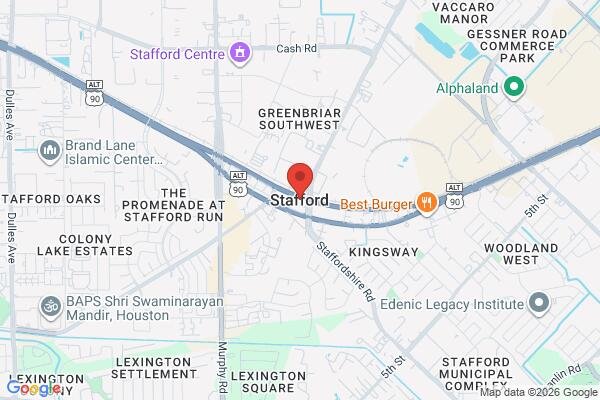
Stafford homeowners deal with some unique electrical challenges. Our Texas heat means air conditioners run nearly year-round, putting constant stress on circuits that might’ve been adequate when your home was built in the 90s but struggle now with modern demands. Add in the clay-heavy soil that shifts with our feast-or-famine rain patterns, and you’ve got a recipe for settling that can stress electrical connections throughout your home. If you’re living in one of the older neighborhoods near Highway 59 or in the established sections off Murphy Road, your electrical system might be showing its age in ways you can’t afford to ignore.
The Five Warning Signs That Demand Immediate Attention
Not every electrical hiccup requires dropping everything and calling for emergency service, but some absolutely do. Here’s your decision tree for what needs action right now versus what can wait until normal business hours:
- Burning smell from outlet: This is your “stop everything” signal. Unplug any devices, flip the breaker for that circuit, and don’t use it again until a licensed electrician investigates. That acrid smell means insulation is overheating—possibly melting—and you’re looking at a potential fire hazard.
- Circuit breaker keeps tripping: Once might be a fluke. Twice in a day means you’ve got a problem. If the same breaker trips repeatedly, you’re dealing with either an overloaded circuit, a short circuit, or a ground fault. Don’t just keep resetting it; that’s like ignoring your check engine light while smoke pours from your hood.
- Outlets not working in one room: This often indicates a tripped GFCI outlet somewhere in the chain (check your bathrooms and garage first—press the reset button), but it can also mean a failed connection in your junction box or a problem with the circuit itself.
- Flickering lights throughout house: A single flickering bulb? Probably just a loose bulb or dying LED. But lights dimming or flickering across multiple rooms, especially when major appliances cycle on? That could indicate problems with your main service panel, loose connections at the meter base, or even issues with the utility connection to your home.
- Electrical buzzing noise: Transformers hum slightly—that’s normal. But a loud buzz, especially one that comes and goes or gets louder over time, suggests loose connections, a failing breaker, or problems with a light fixture or switch. The vibration from arcing electricity creates that sound, and arcing creates heat.
What You Can Check Before Calling for Electrical Troubleshooting and Repair
You’re not an electrician, and you shouldn’t pretend to be one. But there are some safe preliminary checks that can help you provide better information when you do call a professional—and occasionally might reveal a simple fix. First, grab your flashlight and head to your electrical panel. Look for any breakers in the “middle” position rather than fully on or off; flip them completely off and then back on. Check the date on your panel—if you’re looking at a Federal Pacific or Zinsco panel (common in Stafford homes from the 70s and 80s), know that these have known safety issues and many electricians will recommend replacement regardless of current symptoms.
For outlets not working in one room, trace the GFCI circuit. In the 77477 area, building codes require GFCI protection in kitchens, bathrooms, garages, and outdoor outlets. These devices can trip and cut power to downstream outlets. Press the “test” button and then “reset” on every GFCI outlet you can find. If that restores power, you’ve solved it—but consider why it tripped in the first place. For flickering lights throughout the house, note the pattern. Does it happen only when your AC compressor starts? When you use the microwave? This information helps electricians diagnose the issue faster, potentially saving you money on diagnostic time.
What Professional Electrical Troubleshooting and Repair Actually Costs in Stafford
Let’s talk numbers, because nobody likes surprise bills. Most licensed electricians in the Stafford area charge between $85-150 for a service call or diagnostic visit, which typically includes the first hour of troubleshooting. That fee usually applies toward repair costs if you proceed with the work. Simple fixes—replacing a failed GFCI outlet, tightening connections in a junction box, or replacing a faulty breaker—generally run $150-300 including the service call. More involved repairs tell a different story. Rewiring circuits for outlets not working in one room might cost $300-600 depending on accessibility and the number of outlets involved. If your flickering lights throughout the house point to main panel issues, you’re looking at $800-2,500 for panel upgrades or replacement, with Federal Pacific or Zinsco panel replacements at the higher end of that range due to the safety concerns and code compliance requirements.
The Mistakes That Turn Simple Problems Into Expensive Nightmares
The biggest mistake? Using electrical tape and hope as a repair strategy. Jennifer’s neighbor tried to “fix” his buzzing outlet by just not using it, letting the problem spread until the connections deteriorated enough to damage several circuits. Another common error is upgrading to higher-amperage breakers without upgrading the wire gauge—essentially removing a safety feature designed to prevent your wires from overheating. And never, ever use a circuit that smells like burning plastic just because the breaker hasn’t tripped yet. Breakers can fail, and the consequences of that failure include words like “structure fire” and “total loss.”
When you’re ready to hire a professional for electrical troubleshooting and repair in Stafford, TX, look for licensed electricians who can pull permits (required for most significant electrical work in 77477), carry liability insurance, and can provide references from other local homeowners. Ask specifically about their experience with homes built in your neighborhood’s era—the electrical challenges in a 1985 Cambridge Village home differ significantly from those in newer construction off Telfair.
“`