“`html
When Your Mountain Retreat’s Electrical System Sends Up Warning Flares
You’re settling in for a cozy winter evening in your Angel Fire home, the smell of piñon smoke drifting from the fireplace, when you notice something off. There’s a faint electrical buzzing noise coming from the wall near your entertainment center. You walk over to investigate and catch a whiff of something acrid—definitely not the fireplace. Your circuit breaker keeps tripping every time you try to run the space heater in the guest room, and now half the outlets in your bedroom have stopped working entirely. At 8,750 feet elevation, winter nights aren’t forgiving, and electrical problems need immediate attention.
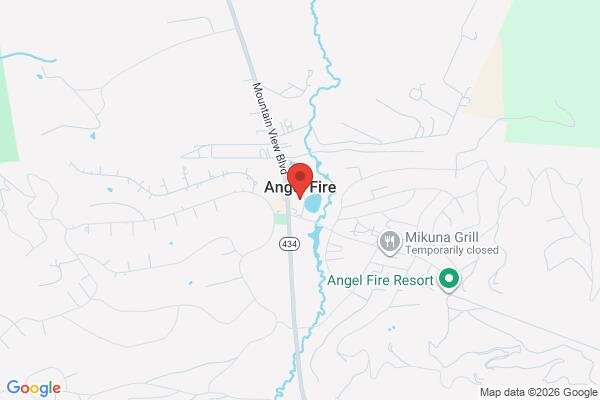
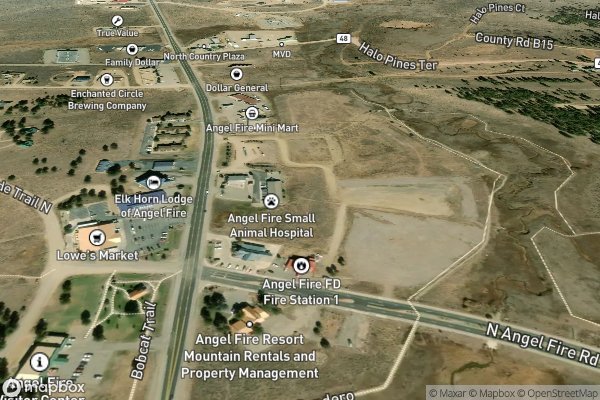
Angel Fire’s combination of older vacation homes from the 1970s ski boom and newer mountain construction creates a unique electrical landscape. Many properties sit empty for weeks between visits, meaning problems can develop undetected. The extreme temperature swings—from subzero January nights to warm summer afternoons—put extra stress on wiring, connections, and electrical panels. When you’re dealing with electrical troubleshooting and repair in the 87710 area, understanding what you’re up against can mean the difference between a simple fix and a dangerous situation.
What Those Flickering Lights and Buzzing Outlets Are Really Telling You
Not all electrical problems require emergency intervention, but some absolutely do. Here’s how to decode what your home is trying to tell you. If you’re experiencing flickering lights throughout your house—not just in one room—you could be dealing with a loose service cable connection, an undersized electrical panel for your home’s current demands, or voltage fluctuations from the utility company. In Angel Fire, where many homes were originally built as weekend cabins and later converted to full-time residences, the electrical panel might simply be overwhelmed by modern appliances, heating systems, and electronics it was never designed to handle.
A burning smell from an outlet is your home’s loudest alarm bell. This isn’t a “wait and see” situation. Immediately turn off the circuit breaker controlling that outlet and don’t use it until a licensed electrician examines it. The smell typically indicates overheating wires, which can result from loose connections, damaged insulation, or outlets handling more amperage than they’re rated for. In mountain homes where mice and other rodents seek winter shelter, chewed wiring is surprisingly common and creates serious fire hazards. If outlets aren’t working in just one room, you might have a tripped GFCI outlet upstream (check bathrooms and the kitchen first), a tripped breaker, or a failed connection in the circuit.
The Circuit Breaker Problem: When “Off” and “On” Aren’t Enough
If your circuit breaker keeps tripping, it’s doing its job—protecting your home from electrical overload or short circuits. However, that protection signal means you need to investigate. Here’s a methodical approach to troubleshooting this common issue:
- Identify what triggers the trip: Does it happen when you plug in a specific appliance? When multiple devices run simultaneously? Or seemingly at random? This pattern tells you whether you have an overloaded circuit, a faulty appliance, or a wiring problem.
- Calculate your circuit load: Most standard circuits in homes are 15 or 20 amps. A 15-amp circuit can safely handle about 1,800 watts; a 20-amp handles 2,400 watts. Space heaters alone often draw 1,500 watts. Add a hairdryer or vacuum, and you’ve exceeded capacity.
- Check for loose connections: Turn off the main breaker, then carefully examine the tripping breaker for any signs of burning, melting, or loose wires. If you see damage, don’t attempt repairs yourself—this requires a professional.
- Test by elimination: Reset the breaker with everything unplugged from that circuit. If it holds, plug in devices one at a time to identify the culprit. If it trips immediately with nothing connected, you likely have a short circuit in the wiring.
- Consider the breaker itself: Circuit breakers do fail over time. If your panel is 20+ years old (common in Angel Fire’s older homes), the breaker might be worn out and tripping at lower thresholds than designed.
The True Cost of Electrical Troubleshooting and Repair in Angel Fire
Let’s talk numbers. In the Angel Fire area, expect to pay $125-175 for a diagnostic service call where an electrician identifies your electrical issues. This typically includes the first hour of labor. Simple repairs like replacing a damaged outlet or a faulty circuit breaker usually run $150-300 total. More involved work—like rewiring a room with non-functioning outlets, upgrading an outdated electrical panel, or tracing and repairing short circuits behind walls—ranges from $500-2,500 depending on complexity and accessibility. Mountain home construction sometimes means crawling through tight spaces or dealing with log home wiring challenges, which can increase labor time. Many Angel Fire electricians charge $85-125 per hour after the initial diagnostic fee, though emergency after-hours calls may hit $150-200 hourly.
Three Mistakes That Turn Small Electrical Problems Into Big Ones
First, don’t ignore intermittent problems. That outlet that only works sometimes? Those lights that flicker occasionally? These aren’t quirks your home has—they’re warning signs of loose connections that generate heat and create fire risks. Second, resist the temptation to replace a 15-amp breaker with a 20-amp breaker because it “keeps tripping.” The breaker isn’t the problem; it’s protecting undersized wiring from overheating. Upgrading the breaker without upgrading the wire is dangerous. Third, if you’re experiencing multiple electrical issues simultaneously—buzzing sounds, burning smells, and tripping breakers—you’re likely dealing with a systemic problem, not isolated incidents. This demands comprehensive troubleshooting, not piecemeal fixes.
Finding the Right Electrical Professional in Angel Fire
When you’re contacting electricians for electrical troubleshooting and repair in Angel Fire, NM, ask about their experience with mountain home electrical systems and whether they’re familiar with the older wiring methods common in 87710 properties. A qualified electrician should be licensed in New Mexico, carry liability insurance, and be willing to explain both what’s wrong and why before starting repairs. Your home’s electrical system is too important to trust to anything less than experienced professionals who understand the unique challenges of our mountain community.
“`