“`html
When Your Brighton Triple-Decker Starts Making Strange Noises at 2 AM
Last Tuesday night, a homeowner on Chestnut Hill Avenue heard a low buzzing sound coming from behind her bedroom wall. At first, she thought it was her phone vibrating on the nightstand. Then she realized the electrical buzzing noise was constant, rhythmic, and definitely not normal. By morning, she’d also noticed her circuit breaker keeps tripping whenever she runs the microwave and coffee maker simultaneously—a combo that worked fine for the past three years.
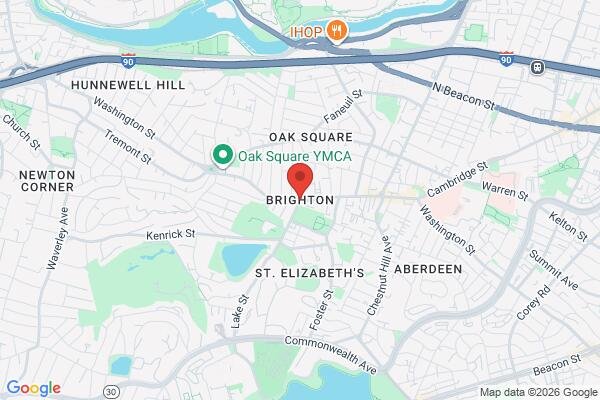
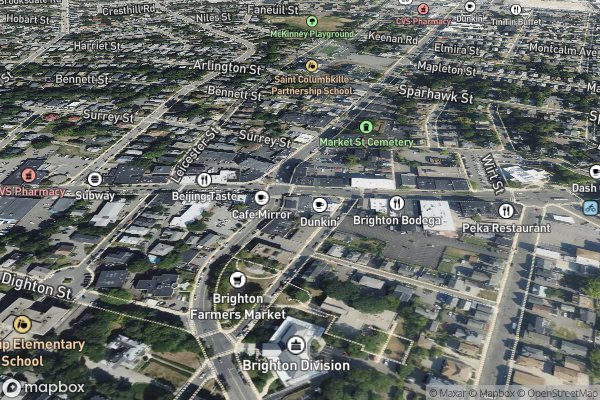
Sound familiar? Brighton’s housing stock, with its century-old triple-deckers and converted Victorians throughout 02135, presents unique electrical challenges. Many of these beautiful homes still have aluminum wiring from the 1960s or haven’t had panel upgrades in decades. When winter hits and space heaters start running alongside those old radiators that never quite heat the room enough, electrical systems show their age fast. Understanding when to troubleshoot yourself versus when to call for professional electrical troubleshooting and repair can save you from minor inconveniences turning into major hazards.
Five Warning Signs That Demand Immediate Professional Attention
Before we dive into what you can safely check yourself, let’s establish when you need to stop everything and call a licensed electrician. These situations aren’t “wait until Monday” problems:
- Burning smell from outlet: This indicates overheating wires or connections, potentially from loose wiring or an overloaded circuit. Unplug everything immediately and switch off the breaker to that area.
- Outlets or switches that are hot to touch: They should never feel warm. If they do, the wiring behind them is struggling with the electrical load.
- Sparking or visible arcing: Any light show from your outlets means damaged wiring or failing connections that could ignite surrounding materials.
- Flickering lights throughout house: One flickering bulb is usually just a bulb issue, but if multiple lights dim or flicker simultaneously, especially when appliances turn on, you might have loose service conductors or a failing main panel.
- Frequent tripping that’s getting worse: If your 15-amp circuit used to handle your office setup fine but now trips daily, something has changed—and not for the better.
The Cost Reality: What Electrical Troubleshooting and Repair Actually Runs in Brighton
Let’s talk numbers, because “call for a quote” doesn’t help you budget. For basic electrical troubleshooting in the Brighton area, expect a diagnostic service call to run $150-250. This typically includes up to an hour of investigation time. If outlets not working in one room turns out to be a tripped GFCI outlet in your bathroom (yes, they control other rooms sometimes), you might only pay the service call. But if the electrician discovers you need a new GFCI outlet installed, add another $125-200 per outlet including labor. Circuit breaker replacement usually costs $150-300 per breaker depending on amperage, while a full panel upgrade—which many Brighton homes built before 1980 legitimately need—ranges from $1,500-3,500 depending on whether you’re upgrading from 100 to 150 or 200 amps. Permit fees in Boston add roughly $75-150 to permitted work.
What You Can Safely Check Before Calling for Help
Here’s your DIY assessment protocol for common issues. Grab a flashlight and notepad—you’ll want to document what you find for the electrician if needed.
For outlets not working in one room: First, check your main panel for any tripped breakers (they’ll be in a middle position, not fully ON or OFF—flip them fully OFF then back ON). Next, look for GFCI outlets in bathrooms, kitchen, basement, and garage. These have “test” and “reset” buttons and control multiple outlets throughout your home. Press reset on each one. If this solves it, great—but ask yourself why it tripped. GFCIs detect ground faults, so repeated tripping means something’s wrong with an appliance or the wiring itself.
When your circuit breaker keeps tripping: Identify which circuit is affected and unplug everything on it. Reset the breaker. If it stays on, plug devices back in one at a time to isolate the culprit. If the breaker trips immediately with nothing plugged in, you have a wiring fault—call a professional. If it trips only when multiple things run simultaneously, you’re overloading the circuit. Brighton’s older homes often have only one or two 15-amp circuits serving entire floors. A temporary solution is staggering your usage (don’t run the vacuum and hair dryer together), but the real fix is adding dedicated circuits.
The Aluminum Wiring Question Every Brighton Homeowner Should Ask
Many homes built in Brighton between 1965-1975 used aluminum wiring due to copper shortages. It’s not automatically dangerous, but aluminum expands and contracts more than copper with temperature changes. Over decades, this creates loose connections at outlets and switches—exactly the conditions that cause that burning smell from outlet or electrical buzzing noise you’ve been hearing. If your home has aluminum wiring (look for “AL” or “ALUMINUM” printed on the cable sheathing in your basement), mention this when calling for electrical troubleshooting and repair. Specialized COPALUM connectors or complete rewiring might be recommended. This isn’t fear-mongering; it’s physics.
Finding the Right Electrician in Brighton, MA
When searching for electrical troubleshooting and repair services in 02135, ask potential contractors about their experience with Brighton’s older housing stock specifically. Do they carry proper licensing and insurance? Will they pull permits for panel work? A qualified electrician should provide detailed diagnosis before quoting repairs and explain your options—not just push the most expensive solution. Your home’s electrical system deserves the same careful attention you’d give any other major investment in your Brighton property.
“`