“`html
When Your Kitchen Goes Dark During Nebraska’s Coldest Week
It’s 6 PM on a January evening in Elm Creek, and you’re prepping dinner when every outlet in your kitchen suddenly stops working. The microwave’s dead. The coffee maker won’t turn on. Yet your refrigerator—plugged into a different circuit—keeps humming along just fine. You flip the circuit breaker back on, and within minutes, it trips again with a decisive click. Sound familiar? Electrical issues don’t wait for convenient moments, and in Nebraska’s temperature extremes, they can escalate from annoying to dangerous faster than you’d think.
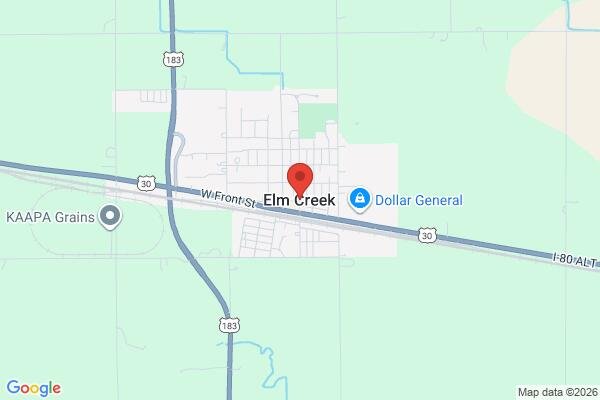
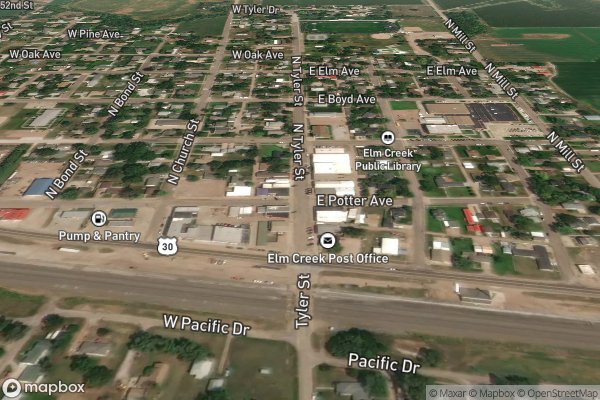
Electrical troubleshooting and repair isn’t always straightforward, especially in Elm Creek’s mix of historic homes built in the 1920s near downtown and newer ranch-style constructions from the 1970s and 80s. Different wiring systems, varying code compliance, and decades of DIY modifications create unique challenges that require both diagnostic skill and local know-how. Let’s walk through the most common electrical problems Elm Creek homeowners face and what you actually need to do about them.
What’s Behind Your Circuit Breaker Tripping Constantly?
When your circuit breaker keeps tripping, it’s doing exactly what it’s designed to do—protecting your home from electrical overload or short circuits. The question is: why is it necessary? In older Elm Creek homes, the culprit is often outdated 60-amp or 100-amp electrical panels trying to handle modern electrical demands. Your grandparents didn’t have central air conditioning, multiple computers, and kitchen appliances all running simultaneously. Start by unplugging everything on the affected circuit, then plug devices back in one at a time. If the breaker trips when you connect a specific appliance, you’ve found your problem. However, if it trips with nothing plugged in, you’re likely dealing with a short circuit in the wiring itself—a scenario that requires professional electrical troubleshooting and repair immediately.
Here’s a simple diagnostic process you can safely perform before calling an electrician:
- Check for overloaded circuits: Add up the amperage of all devices on that circuit. A standard 15-amp circuit can handle roughly 1,800 watts, but you should only use 80% of that capacity (1,440 watts) for safety.
- Look for moisture intrusion: Nebraska’s spring storms and summer humidity can cause water to seep into outdoor outlets or basement electrical boxes, creating dangerous short circuits.
- Inspect visible outlets and switches: Remove cover plates (with power off) and look for discolored wires, melted plastic, or that telltale burning smell from outlet boxes.
- Test GFCI outlets: Press the “test” button on bathroom and kitchen outlets. If they don’t trip and reset properly, they need replacement.
- Document patterns: Does the breaker trip at specific times or when using particular appliances? This information helps electricians diagnose issues faster.
Why Flickering Lights Throughout Your House Shouldn’t Be Ignored
Flickering lights throughout house aren’t just annoying—they’re often your electrical system’s way of screaming for help. If lights dim when your furnace kicks on during those brutal Elm Creek winters where temperatures plunge below zero, you might have loose service connections at your weather head or meter base. Ice accumulation and wind can loosen these connections over time. However, widespread flickering can also indicate problems with your main electrical panel, undersized wiring, or even issues with the utility company’s transformer serving your neighborhood. One Elm Creek homeowner recently discovered their flickering lights stemmed from a corroded neutral connection at their 40-year-old panel—a problem that could have caused a house fire if left unaddressed.
Professional electrical troubleshooting and repair for flickering lights in the Elm Creek area typically costs between $150-$400 for diagnostic work and minor repairs, though panel replacement or service upgrades can run $1,200-$3,000 depending on your home’s specific needs. That might seem steep, but consider that Nebraska’s extreme temperature swings—from below zero in winter to over 100°F in summer—stress electrical connections more than moderate climates do. Thermal expansion and contraction loosen connections annually, making regular electrical inspections worth the investment.
That Electrical Buzzing Noise Isn’t Normal
An electrical buzzing noise from outlets, switches, or your panel should get your immediate attention. Electricity flows silently when everything’s working correctly. Buzzing typically means loose connections, arcing, or an overloaded circuit struggling to handle the load. If you hear buzzing accompanied by warmth from an outlet or switch plate, shut off that circuit immediately and call for professional help. Arc faults—where electricity jumps across gaps in damaged wiring—generate extreme heat and are a leading cause of electrical fires. Don’t wait until you notice a burning smell from outlet areas; at that point, insulation or surrounding materials may already be damaged.
Warning Signs That Demand Immediate Professional Attention
Some electrical issues fall squarely in DIY assessment territory, but others require licensed professionals immediately. If outlets not working in one room accompanies any of these warning signs, stop investigating and call an electrician serving the 68836 area: sparks when plugging in devices, discolored or warm outlet covers, frequent electrical shocks (even minor tingles), or the smell of burning plastic. Homes built before 1970 in Elm Creek may still have aluminum wiring, which requires special handling and connections. Many electrical fires start from aluminum wiring that wasn’t properly maintained.
Finding Qualified Electrical Help in Elm Creek
When electrical troubleshooting and repair moves beyond simple fixes, partnering with licensed electricians who understand Elm Creek’s specific housing stock makes all the difference. Look for contractors familiar with both older wiring systems common in 68836 and current Nebraska electrical codes. Ask about their experience with your home’s age and whether they provide written estimates before starting work—transparency separates quality professionals from fly-by-night operators.
“`