“`html
When Your Kitchen Lights Dim Every Time the Coffee Maker Kicks On
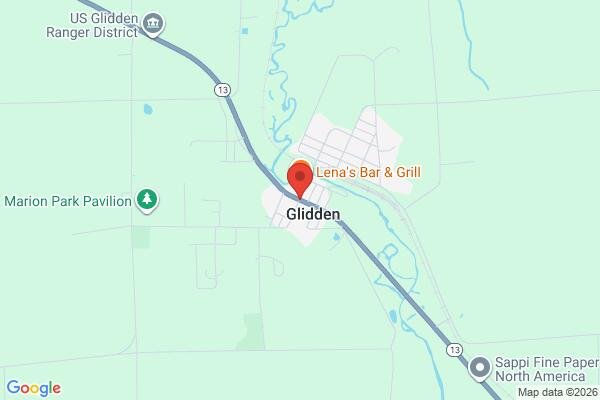
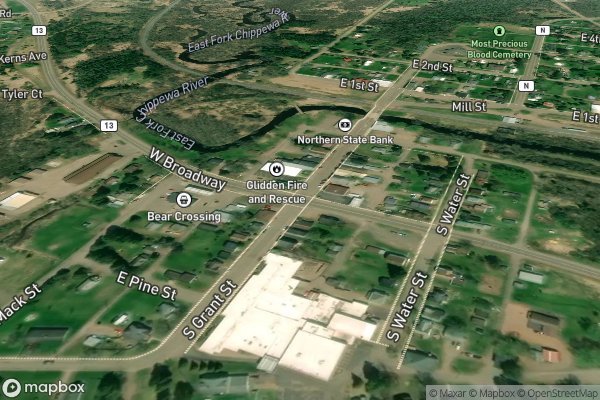
It’s 6:30 AM on a January morning in Glidden, and you’ve just hit the button on your coffee maker when—flicker—the kitchen lights dim for a split second. Again. You’ve noticed it happening more often lately, especially when multiple appliances run at once. Maybe you’ve also heard a faint buzzing noise from the outlet behind the refrigerator, or perhaps the breaker in your garage workshop keeps tripping whenever you fire up the table saw. These aren’t quirks you should ignore. Electrical issues in older Wisconsin homes—and Glidden has plenty of beautiful homes built in the 1960s and 70s—often start small but can escalate into serious safety hazards. Understanding when to troubleshoot yourself versus when to call for professional electrical troubleshooting and repair can save you money, prevent damage, and keep your family safe.
Five Warning Signs That Demand Immediate Professional Attention
Before we discuss what you can safely check yourself, let’s be crystal clear about when to step back and call an electrician immediately. These symptoms indicate dangerous conditions that shouldn’t wait:
- Burning smell from outlet: This suggests overheating wires or melting insulation, often caused by loose connections or overloaded circuits. Unplug everything from that outlet and don’t use it until it’s professionally inspected.
- Outlets not working in one room: While this might seem minor, it could indicate a failed GFCI outlet, damaged wiring from rodents (common in Wisconsin homes during harsh winters when mice seek warmth), or a loose connection that’s arcing behind the wall.
- Flickering lights throughout house: If lights flicker in multiple rooms rather than just one fixture, you might have a loose service cable connection at the weather head or issues with your main panel—both serious concerns requiring immediate attention.
- Electrical buzzing noise: Buzzing from outlets, switches, or your breaker panel indicates arcing electricity, which generates heat and can start fires. This is especially concerning in homes with older aluminum wiring, which was common in construction during the late 1960s and early 1970s.
- Circuit breaker keeps tripping: While occasionally tripping when you overload a circuit is normal, frequent tripping suggests either a genuine overload that needs addressing, a failing breaker, or potentially dangerous ground faults in your wiring.
What You Can Safely Check Before Calling for Help
Not every electrical issue requires an emergency call, and some basic troubleshooting can help you identify the problem—or at least provide useful information to your electrician. If your circuit breaker keeps tripping, start by unplugging everything on that circuit. Reset the breaker. If it holds, plug devices back in one at a time to identify the culprit. A single faulty appliance often causes repeated trips. If the breaker trips immediately when you reset it with nothing plugged in, that’s a short circuit requiring professional repair. For outlets not working in one room, locate your GFCI outlets—typically found in bathrooms, kitchens, and garages in homes built after 1975. These have “test” and “reset” buttons. A tripped GFCI can shut down multiple downstream outlets, so resetting it might restore power to that entire room.
When dealing with flickering lights, distinguish between a single fixture problem and a house-wide issue. If just one fixture flickers, try tightening the bulb first—yes, really, this simple fix works surprisingly often. Check whether the flickering happens when specific appliances kick on. If your lights dim when the furnace starts during those cold Glidden winters, you might have an undersized circuit for your heating system, or voltage drop issues that warrant professional evaluation. Document when and where flickering occurs; this information helps electricians diagnose the problem faster, potentially saving you money on service calls.
Common Mistakes That Make Electrical Problems Worse
Glidden homeowners sometimes make electrical issues worse by attempting fixes beyond their skill level. Never replace a 15-amp breaker with a 20-amp breaker just because it keeps tripping—breakers are sized to protect the wire gauge in your walls, and oversizing them creates fire hazards. Don’t ignore a burning smell from outlet by simply avoiding that outlet; the problem will progress. Another common mistake? Using multiple power strips daisy-chained together to avoid dealing with insufficient outlets. This workaround overloads circuits and creates fire risks, especially in older homes where 15-amp circuits serve entire rooms. The proper solution involves adding circuits or upgrading your electrical service—work that requires a licensed electrician familiar with Wisconsin electrical codes.
What to Expect: Timing and Costs for Electrical Troubleshooting and Repair in the 54527 Area
Professional electrical troubleshooting and repair in Glidden typically starts with a diagnostic service call, usually $75-$150, which covers the electrician’s time to identify the problem. Simple repairs like replacing a faulty outlet or switch generally run $125-$200 including labor and materials. If your circuit breaker keeps tripping due to a failed breaker, replacement costs typically range from $150-$300 depending on breaker type and panel accessibility. More extensive repairs—like addressing outlets not working in one room due to damaged wiring—might cost $300-$800 depending on how much wire needs replacement and whether walls need opening. Panel upgrades, sometimes necessary in older Glidden homes still running 100-amp service, start around $1,500-$3,000. Most residential electrical repairs take 2-4 hours, though complicated diagnostics or repairs involving fishing wire through finished walls can extend to a full day.
Finding the Right Electrical Professional in Glidden
When selecting an electrician for electrical troubleshooting and repair in the 54527 area, verify they’re licensed by the State of Wisconsin and carry appropriate liability insurance. Ask specifically about their experience with homes similar to yours in age and construction. A good electrician will explain what they find, offer options with different price points when possible, and pull permits for work that requires them. Your electrical system isn’t the place to cut corners—quality work protects your most valuable investment and keeps your family safe through every Wisconsin winter.
“`