When Your Circuit Breaker Becomes Your Evening Entertainment
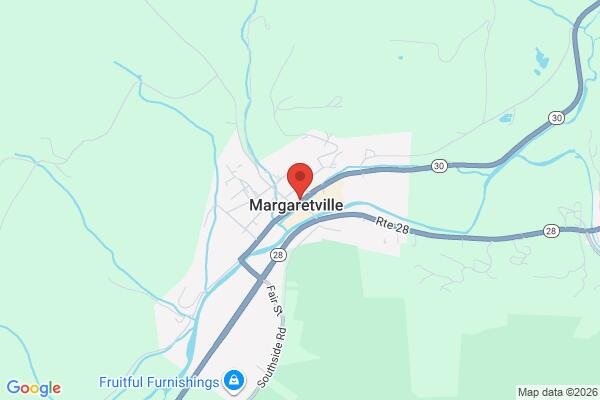
It’s 9 PM on a Tuesday in Margaretville, and you’ve just settled in to watch your favorite show. Then—click—everything goes dark. Again. You shuffle to the basement in your slippers, flip the breaker back on, and make it about 15 minutes before it trips again. Sound familiar? With Margaretville’s historic housing stock—many homes dating back to the early 1900s—electrical troubleshooting and repair isn’t just a luxury service; it’s an essential part of responsible homeownership in the 12455 area.
The reality is that electrical problems don’t announce themselves politely. They show up as a burning smell from an outlet while you’re making breakfast, or as an unsettling electrical buzzing noise coming from behind your walls at 2 AM. These aren’t minor annoyances to brush off until spring. They’re warning signals that deserve immediate attention, especially in our older Catskills homes where aluminum wiring and outdated electrical panels are still common.
What’s Actually Happening When Your Electrical System Acts Up
Before you panic or start budgeting for a complete rewire, let’s break down what different electrical symptoms actually mean. When your circuit breaker keeps tripping, you’re dealing with one of three culprits: an overloaded circuit (too many appliances pulling power simultaneously), a short circuit (hot wire touching neutral wire), or a ground fault (hot wire touching ground wire or metal box). In Margaretville’s older homes, overloaded circuits are particularly common because these houses were built when families owned maybe a radio and a few lamps—not microwaves, computers, phone chargers, and smart TVs all running at once.
Outlets not working in one room tells a different story. This usually indicates a problem with a GFCI outlet (the ones with “test” and “reset” buttons) that’s tripped upstream, or it could signal a loose wire connection in the outlet box itself. Here’s a DIY check you can do safely: locate all GFCI outlets in your home—typically in bathrooms, kitchens, garages, and outdoor areas—and press the “reset” button on each one. If that restores power, great. If not, you’ve got a wiring issue that needs professional eyes.
The Symptoms You Should Never Ignore
Some electrical issues require immediate professional intervention—not “I’ll call someone next week” action, but “turn off the breaker and call right now” urgency. Here are the warning signs that electrical troubleshooting and repair needs to happen within 24 hours:
- Burning smell from outlets or switches: This indicates overheating wires or deteriorating insulation. Turn off the breaker controlling that circuit immediately and don’t use it until an electrician investigates.
- Flickering lights throughout the house: One flickering light might just be a loose bulb, but multiple lights flickering suggests a serious issue—possibly a loose service cable connection or problems with your main electrical panel.
- Outlets or switches that are hot to the touch: Warm is concerning; hot is dangerous. This means excessive electrical resistance and potential fire risk.
- Sparks when plugging in devices: A small blue spark is normal with large appliances, but repeated sparking or large yellow/white sparks indicate short circuits or damaged outlets.
- Discolored outlet covers: Brown or black discoloration around outlets signals past arcing events—essentially mini electrical fires that scorched the plastic.
Why Margaretville’s Winter Weather Makes Electrical Issues Worse
Our Catskills winters are brutal, and they stress electrical systems in ways that homeowners don’t always anticipate. When temperatures drop below freezing for extended periods, you’re running space heaters, electric blankets, and heating systems continuously. This increased load on circuits that might already be borderline overloaded can push them over the edge. Additionally, the freeze-thaw cycles we experience in the shoulder seasons can cause foundation shifting, which sometimes loosens electrical connections in junction boxes or pulls on wiring.
If you’re experiencing electrical issues during heating season, one critical mistake to avoid is using multiple space heaters on the same circuit. A standard 15-amp circuit can handle about 1,800 watts, and most space heaters draw 1,500 watts. Add a lamp and you’re done. This is precisely why that circuit breaker keeps tripping every time you try to warm up the back bedroom while the living room heater is running.
What Electrical Troubleshooting and Repair Actually Costs in the 12455 Area
Let’s talk numbers, because you deserve to know what you’re looking at financially. For basic electrical troubleshooting services in Margaretville, expect to pay $125-200 for a service call and the first hour of diagnostic work. This typically includes identifying the problem and providing a quote for repairs. Simple fixes like replacing a faulty outlet or switch run $150-250 including parts and labor. More involved repairs tell a different financial story: replacing a circuit breaker costs $150-300 depending on amperage and type, while upgrading an entire electrical panel runs $1,500-3,000 for homes in our area.
If you’re dealing with flickering lights throughout the house and the electrician discovers you need a service cable replacement or main panel upgrade, you’re looking at the higher end of that range. However, this isn’t optional maintenance—it’s essential safety infrastructure, and many homeowners insurance policies actually require updated electrical systems for coverage continuation on older homes.
Finding the Right Electrical Professional in Margaretville
When electrical problems strike, look for licensed electricians who carry proper insurance and have experience with older Catskills homes—the wiring challenges in a 1920s farmhouse differ significantly from a 1990s construction. Ask potential contractors about their familiarity with aluminum wiring remediation and knob-and-tube replacement, since these are common issues in Margaretville’s historic housing stock. A qualified professional serving the 12455 area should provide clear written estimates, explain their findings in understandable terms, and never pressure you into unnecessary upgrades while still being honest about genuine safety concerns.