When Your Living Room Goes Dark: Why Those Outlets Stopped Working After Last Night’s Storm
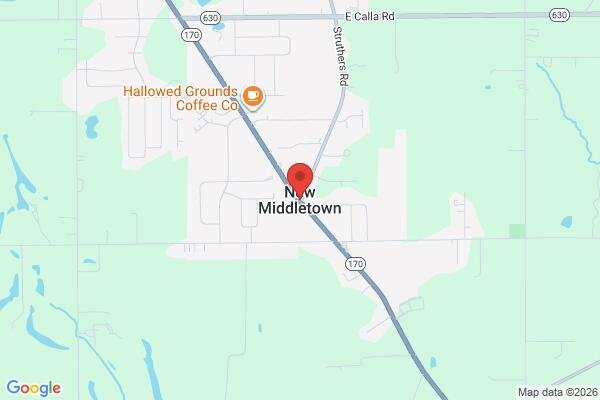
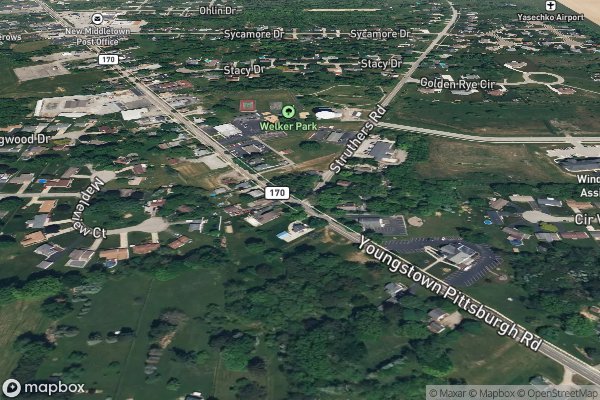
You shuffle downstairs Sunday morning, coffee in hand, ready to plug in your laptop at your usual spot in the living room. You press the power button. Nothing. You try the lamp beside the couch. Still nothing. Every outlet on that wall is completely dead, yet the overhead lights work fine and the TV across the room powers on without issue. If you’re a homeowner in New Middletown, OH 44442, this scenario probably feels familiar—especially during our temperamental spring storm season when lightning strikes and power surges create havoc with older electrical systems common throughout our area.
Here’s the frustrating truth: electrical troubleshooting and repair issues rarely announce themselves politely. They show up as mysterious problems that seem illogical until you understand what’s happening behind your walls. Let’s walk through the most common electrical gremlins plaguing New Middletown homes and what you can actually do about them.
What’s Really Happening When Your Circuit Breaker Keeps Tripping
That repeated clicking sound from your electrical panel isn’t random bad luck. When a circuit breaker keeps tripping, it’s doing exactly what it’s designed to do—protecting your home from electrical overload or a potential short circuit. Many homes in New Middletown’s older neighborhoods still operate on 100-amp service panels installed decades ago, which weren’t designed to handle today’s electrical demands: space heaters in winter, multiple air conditioning units during Ohio’s humid summers, plus all your modern electronics.
Before calling an electrician, try this quick assessment: Unplug everything on that circuit and reset the breaker. If it stays on, plug devices back in one at a time. When the breaker trips again, you’ve found your culprit. However, if the breaker trips immediately even with nothing plugged in, stop. You likely have a short circuit somewhere in the wiring—potentially dangerous and requiring immediate professional attention.
Common culprits for repeated tripping include running a space heater and hair dryer simultaneously on the same circuit (that’s typically 1,500 + 1,800 watts on a 15-amp circuit rated for just 1,800 watts total), or older appliances with failing motors that draw excessive current. In New Middletown’s older housing stock near Mill Creek Park area, we also see aluminum wiring from the 1960s-70s that creates connection problems as it ages.
When Outlets Stop Working in Just One Room
Here’s what most homeowners don’t realize: outlets not working in one room rarely means all those outlets died simultaneously. Instead, you’re probably dealing with one of three scenarios. First, check for a tripped GFCI outlet—these special outlets with “test” and “reset” buttons protect against electrical shock and can control other outlets downstream. Your bathroom or kitchen GFCI might actually control bedroom outlets (weird but true, especially in homes built before stricter code requirements). Press that reset button on any GFCI outlet you can find.
Second possibility: a loose wire connection in the first outlet of that circuit. Outlets are typically daisy-chained together, so when the connection fails at one point, everything after it goes dark. Third scenario: a tripped breaker that’s not visually obvious—sometimes breakers trip to a middle position that looks “on” but isn’t. Firmly push each breaker fully off, then back on.
Red Alert Situations: When DIY Stops and Professional Help Starts
Some electrical issues require immediate professional electrical troubleshooting and repair. Don’t mess around if you notice any of these warning signs:
- Burning smell from outlet: This indicates overheating connections or melting insulation. Shut off the breaker to that circuit immediately and don’t use it until a licensed electrician inspects it. This typically costs $150-$300 for troubleshooting plus repair costs.
- Electrical buzzing noise: Electrical current should be silent. Buzzing, crackling, or sizzling sounds mean loose connections arcing—creating heat and potential fire hazards. Standard service call and repair in the New Middletown area runs $200-$450 depending on accessibility.
- Flickering lights throughout house: Occasional flicker when the AC kicks on is normal. Persistent flickering across multiple rooms suggests loose service connections at your main panel or even at the utility connection outside—a serious issue requiring immediate attention. Expect $350-$800 for service panel repairs.
- Warm or discolored outlet covers, especially around the screw holes
- Outlets that spark when you plug something in (beyond that initial tiny static spark)
- Any burning smell you can’t immediately identify and eliminate
Questions Every New Middletown Homeowner Should Ask Before Hiring an Electrician
When you need professional electrical troubleshooting and repair, don’t just hire the first company you find. Ask potential contractors if they’re licensed in Ohio (verify at elc.ohio.gov), whether they carry liability insurance, and if they can provide references from other New Middletown homeowners. Inquire about their diagnostic fee structure—some companies charge $75-$150 for the service call but credit that toward repairs if you hire them. Get specific timelines: most residential troubleshooting takes 1-3 hours, though repairs might require additional visits for parts.
Finding qualified electrical professionals in New Middletown, OH means looking for contractors familiar with our area’s mix of vintage homes and newer construction, who understand local code requirements, and who can respond quickly to urgent situations. The right electrician won’t just fix today’s problem—they’ll help you prevent tomorrow’s electrical headaches.